
Incisional Hernia – Causes, Symptoms & Treatment
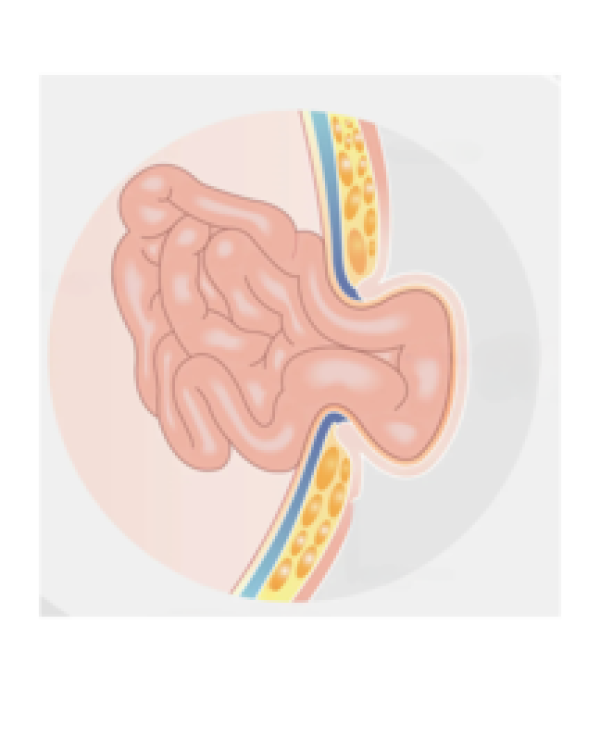
An incisional hernia occurs when the abdominal muscles weaken at the site of a previous surgical incision, allowing tissue or organs to protrude through. This typically develops when the surgical site hasn’t fully healed or due to increased pressure on the abdomen post-surgery.
Causes of Incisional Hernia
Incisional hernias can result from previous abdominal surgeries where the muscle layer hasn’t regained full strength. Factors contributing to this condition include:
Early or strenuous physical activity after surgery
Excessive weight gain post-surgery
Persistent coughing, constipation, or straining
Poor wound healing due to diabetes or infections
Repeated surgeries or multiple abdominal incisions
When the abdominal wall becomes compromised, it may not withstand normal intra-abdominal pressure, leading to the hernia.
Symptoms of Incisional Hernia
The most common sign is a noticeable bulge near or around the site of the previous incision. This bulge may become more prominent when standing, coughing, or lifting. Other symptoms include:
Discomfort or burning sensation at the site
Nausea or vomiting in severe cases
Constipation or digestive disturbances
Tenderness or pain around the bulge
Swelling or pressure in the abdomen
Fever (in case of complications or strangulation)
If left untreated, complications like bowel obstruction or strangulation can occur.
Treatment Options for Incisional Hernia
The recommended treatment is surgical repair, especially if the hernia is large, painful, or showing signs of complication.
Laparoscopic Incisional Hernia Repair
This minimally invasive technique involves 3–4 small incisions through which a camera and instruments are inserted. The herniated tissue is repositioned, and a surgical mesh is placed to reinforce the weakened area. Benefits include:
Smaller scars
Faster recovery
Reduced post-operative pain
Shorter hospital stay
Open Incisional Hernia Repair
In this traditional method, a single larger incision is made over the hernia site. The hernia is repaired and a mesh is implanted to strengthen the area. This approach is typically chosen for:
Larger or complex hernias
Recurrent hernias
Emergency situations
Both procedures aim to restore abdominal wall integrity and prevent recurrence.
Our specialized team offers expert diagnosis and advanced treatment for incisional hernias using the latest laparoscopic and open surgical techniques. Personalized care, comprehensive evaluation, and a patient-first approach ensure effective outcomes and a smooth recovery process.