
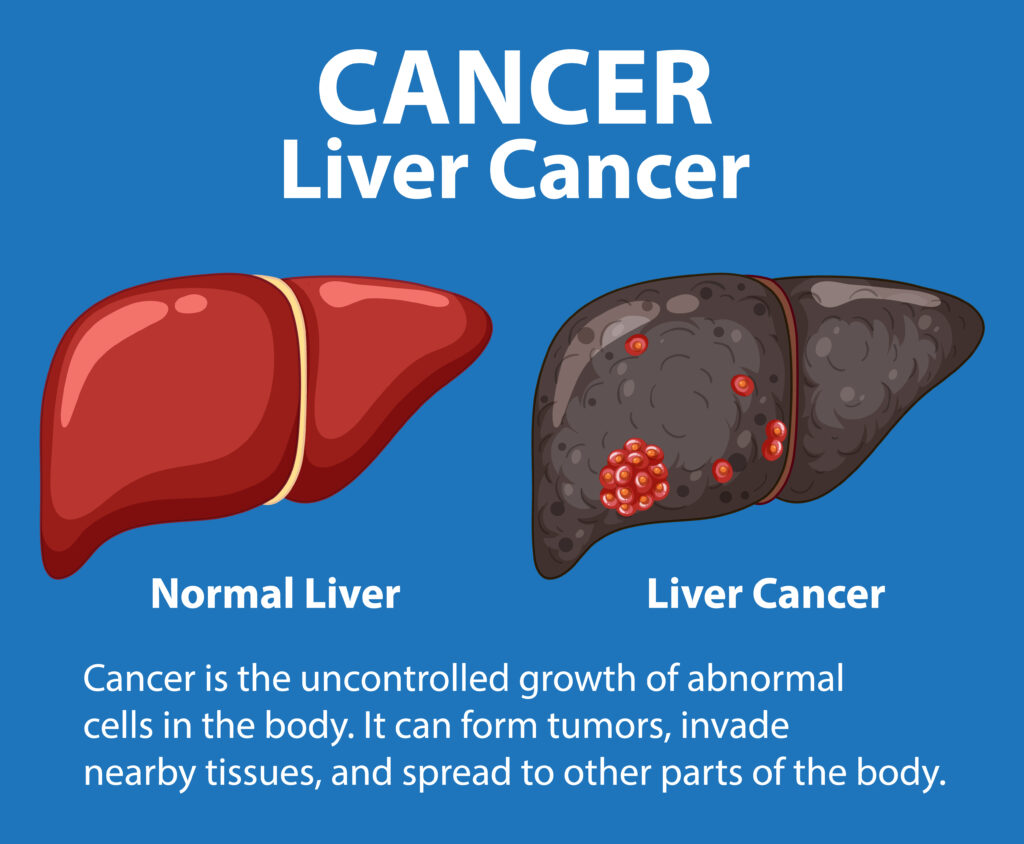
Liver Cancer – Causes, Symptoms & Advanced Treatment
CM Best Gastro Care & Eye Care | Namakkal
Liver cancer (primary hepatic malignancy) begins when abnormal cells grow uncontrollably in liver tissue, most often after years of chronic damage such as hepatitis B or C infection, alcohol-related cirrhosis, or non-alcoholic fatty liver disease. Early detection is vital because curative surgery is possible only when tumours are small and confined.
Key Risk Factors
Chronic hepatitis B or C infection
Cirrhosis from alcohol or fatty liver disease
Long-term aflatoxin exposure (contaminated grains)
Metabolic disorders (e.g., hemochromatosis)
Family history of liver tumours
Warning Signs & Symptoms
Unexplained weight loss or loss of appetite
Upper-right abdominal pain or fullness
Persistent fatigue and weakness
Yellowing of skin or eyes (jaundice)
Abdominal swelling (ascites)
Nausea or easy bruising
How Liver Cancer Is Diagnosed
Blood Tests – Liver function panel and AFP (alpha-fetoprotein).
Ultrasound – First-line screening for suspicious nodules.
Contrast CT or MRI – Defines size, number, and location of tumours.
Biopsy – Only if imaging is inconclusive; many cases diagnosed radiologically.
Staging Work-up – Chest/abdomen CT and bone scan to rule out spread.
Treatment Pathways
| Stage | Goal | Main Options |
|---|---|---|
| Early, single tumour | Curative | Hepatic resection (partial hepatectomy) – removes the affected lobe or segment. |
| Multifocal, no spread & suitable criteria | Curative | Liver transplant – diseased liver replaced with healthy donor graft; offers best long-term survival. |
| Localised but inoperable | Tumour control | Ablative therapies: radiofrequency ablation, microwave ablation, cryotherapy, irreversible electroporation. |
| Intermediate stage | Tumour shrinkage | TACE / TARE – chemo- or radio-embolisation delivered directly into tumour vessels. |
| Advanced or metastatic | Life-prolonging | Targeted therapy (sorafenib, lenvatinib) or immunotherapy (nivolumab, pembrolizumab). |
| Supportive care | Quality of life | Pain control, nutrition, management of ascites and encephalopathy. |
Transplant facts: A transplanted liver typically regenerates to full size within 8–12 weeks. Strict eligibility criteria (e.g., Milan or UCSF) help ensure excellent five-year survival rates.
Prevention & Lifestyle Tips
Vaccinate against hepatitis B; seek antiviral therapy for hepatitis B/C.
Limit alcohol intake and maintain healthy weight.
Eat fresh, well-stored foods to avoid aflatoxin exposure.
Undergo regular ultrasound screening if you have cirrhosis or chronic hepatitis.
Why Choose CM Best Gastro Care & Eye Care?
Integrated hepatology, radiology, oncology and transplant consultation in one centre.
State-of-the-art operation theatres for laparoscopic and robotic liver resections.
24/7 critical-care support for complex transplant cases.
Multidisciplinary tumour board ensures personalised, evidence-based treatment plans.
Dr. Prakashen is the best doctor for Gastro Care, known for his expertise in diagnosing and managing liver cancer using a multidisciplinary approach. From accurate imaging to surgery and advanced therapies, Dr. Prakashen ensures every patient receives world-class liver care with compassion and clarity.