Gastroesophageal Reflux Disease (GERD)
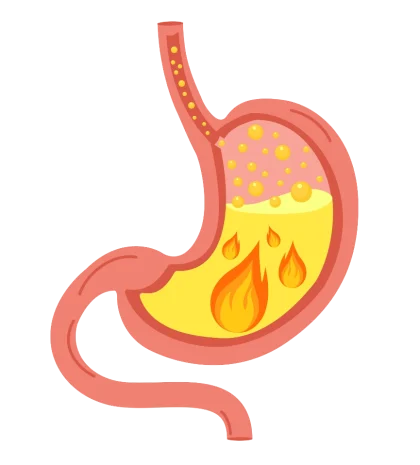
GERD (Gastroesophageal Reflux Disease) is a chronic digestive disorder that occurs when the lower esophageal sphincter (LES)—a muscle valve between the esophagus and stomach—becomes weak or relaxes inappropriately. This allows stomach acid to flow backward into the esophagus, causing a burning sensation commonly referred to as acid reflux. In endoscopy, this is often diagnosed as Lax LES.
Causes & Contributing Factors
Several factors can trigger or worsen GERD:
Increased abdominal pressure (due to obesity, pregnancy, or fluid buildup)
Hiatal hernia, where a part of the stomach pushes into the chest
Certain foods such as caffeine, spicy or fried foods, citrus, and dairy
Medications including painkillers, antihistamines, sedatives, and blood pressure medicines
Lifestyle habits like overeating, smoking, or lying down immediately after meals
Risk Factors
You’re more likely to develop GERD if you:
Are overweight or obese
Are pregnant
Smoke or are exposed to secondhand smoke
Have poor eating habits or chronic stress
Symptoms of GERD
Common signs and symptoms include:
Burning chest pain (heartburn)
Regurgitation of food or sour liquid
Difficulty swallowing
Persistent cough, especially at night
Hoarseness or sore throat
Chest discomfort that mimics cardiac pain
Feeling of a lump in the throat
Diagnostic Methods
To accurately diagnose GERD, the following tests are used:
Upper GI Endoscopy
Barium Swallow X-ray
Esophageal pH Monitoring
Esophageal Manometry
Treatment Options
Lifestyle Modifications
Avoid spicy, acidic, and fatty foods
Eat smaller meals and avoid lying down after eating
Quit smoking and limit alcohol intake
Maintain a healthy weight
Medical Management
Antacids for immediate symptom relief
H2 receptor blockers and Proton Pump Inhibitors (PPIs) to reduce acid production
Prokinetic agents to improve esophageal motility
Surgical Management – Laparoscopic Fundoplication
For patients who do not respond to medication and lifestyle changes, laparoscopic fundoplication is an effective and long-lasting solution. This minimally invasive procedure involves tightening the diaphragmatic opening and wrapping the upper portion of the stomach around the LES to strengthen the valve and prevent acid reflux.
Dr. O.K. Prakashen specializes in advanced laparoscopic fundoplication and offers individualized treatment plans for GERD at CM Best Gastro Care & Eye Care, Namakkal. With modern facilities and compassionate care, we ensure accurate diagnosis, effective management, and long-term relief from acid reflux.