Jaundice – Causes, Symptoms, Diagnosis & Treatment
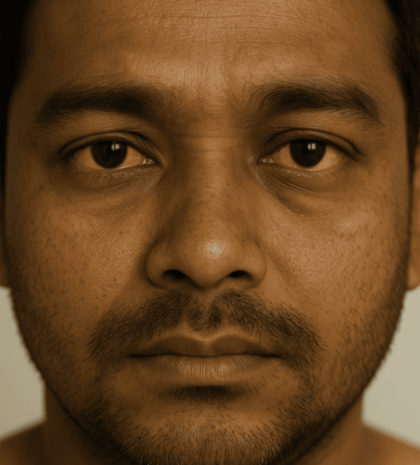
Jaundice refers to the yellow discoloration of the skin, the whites of the eyes, and body fluids caused by elevated levels of bilirubin in the blood. Bilirubin is a yellow pigment formed by the breakdown of red blood cells and is normally processed by the liver. When there is an underlying condition affecting this process, bilirubin builds up in the body, leading to jaundice.
Symptoms of Jaundice
Jaundice may present with a range of symptoms, including:
Yellowing of the skin and eyes
Dark-colored urine
Pale or clay-colored stools
Loss of appetite
Unexplained weight loss
Fatigue or weakness
Nausea and vomiting
Fever or chills
Confusion or changes in mental alertness (in severe cases)
Abdominal pain or discomfort, especially in the upper right side
Types and Causes of Jaundice
Jaundice is typically classified into three main categories based on the underlying cause:
1. Pre-Hepatic (Hemolytic) Jaundice
This type occurs before bilirubin is transported to the liver and is often due to excessive breakdown of red blood cells (hemolysis). Common causes include:
Hemolytic anemia
Malaria
Genetic blood disorders (e.g., sickle cell disease, thalassemia)
2. Hepatic (Hepatocellular) Jaundice
This occurs due to liver damage, impairing the liver’s ability to process and excrete bilirubin. Causes include:
Hepatitis (A, B, C, E)
Alcoholic liver disease
Non-alcoholic fatty liver disease (NAFLD)
Liver cirrhosis
Drug-induced liver injury
Autoimmune hepatitis
3. Post-Hepatic (Obstructive) Jaundice
This type is caused by obstruction in the bile ducts, preventing the excretion of bilirubin. Common causes include:
Gallstones
Pancreatic or bile duct tumors
Bile duct strictures or cysts
Parasites (e.g., liver flukes)
Diagnosis of Jaundice
Accurate diagnosis is essential to determine the cause of jaundice. The diagnostic process typically includes:
Physical examination – to check for yellowing and abdominal tenderness
Blood tests – to assess liver function, bilirubin levels, and identify infections
Urine tests – to detect bilirubin in urine
Ultrasound of the abdomen – to evaluate liver, gallbladder, and bile ducts
CT scan or MRI – to identify structural abnormalities
Endoscopic Retrograde Cholangiopancreatography (ERCP) – in case of suspected bile duct obstruction
Treatment of Jaundice
Treatment depends on the underlying cause:
Pre-Hepatic Jaundice: Managed by treating the source of red blood cell breakdown, such as infections or blood disorders.
Hepatic Jaundice: Requires treatment of liver inflammation, infections, or liver disease. Lifestyle changes like avoiding alcohol and adopting a liver-friendly diet are often recommended.
Post-Hepatic Jaundice: Typically requires interventional procedures such as endoscopy (ERCP) to remove gallstones or surgical treatments for bile duct obstructions or tumors.
Supportive measures may include:
Staying well-hydrated
Avoiding alcohol and hepatotoxic drugs
Maintaining a balanced diet
Regular follow-up to monitor liver function
When to Seek Medical Attention
Immediate medical evaluation is necessary if jaundice is accompanied by:
Severe abdominal pain
Persistent vomiting
High-grade fever
Confusion or disorientation
Blood in vomit or stool
Conclusion
Jaundice is not a disease but a sign of an underlying health issue that may require immediate medical attention. Early diagnosis and targeted treatment are key to managing jaundice effectively and preventing complications. For persistent symptoms or recurring episodes, consultation with a liver and digestive health specialist is essential.
Dr. Prakashen is a leading expert in advanced Gastro Care and treatment.